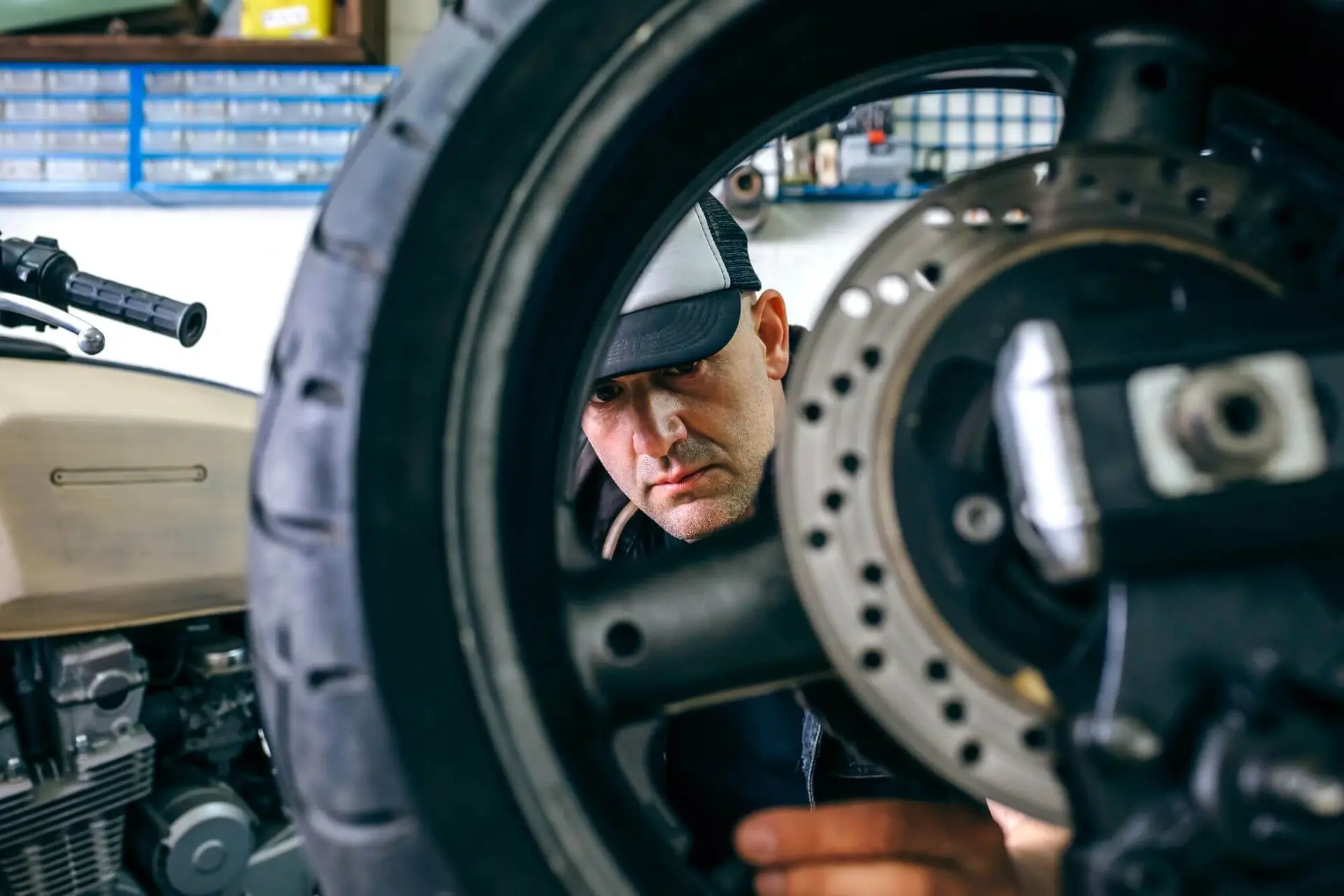
When your beloved motorcycle needs a replacement part, you’re typically faced with a choice: go for genuine (OEM – Original Equipment Manufacturer) parts or opt for aftermarket parts. This decision can significantly impact your bike’s performance, longevity, and even your wallet. So, which one should you choose? Let’s break down the pros and cons of each.
Genuine (OEM) Parts: The Manufacturer’s Choice
Genuine parts are manufactured by or for the original motorcycle company. They are identical to the parts that came with your bike when it rolled off the assembly line.
Pros:
Guaranteed Fit and Compatibility: This is the biggest advantage. OEM parts are designed specifically for your motorcycle model, ensuring a perfect fit and seamless integration with other components. There’s no guesswork involved.
Quality Assurance: Manufacturers uphold strict quality control standards for their genuine parts. You can generally expect high-quality materials and manufacturing processes, leading to reliability and durability.
Warranty: OEM parts often come with a manufacturer’s warranty, providing peace of mind in case of a defect.
Resale Value: For some buyers, seeing genuine parts used for repairs can be a positive indicator of the bike’s maintenance history, potentially aiding resale value.
Cons:
Higher Cost: This is the most significant drawback. Genuine parts typically come with a premium price tag compared to their aftermarket counterparts.
Limited Availability: Depending on your location and the part, genuine parts might need to be ordered directly from the dealership, which can lead to longer waiting times.
Aftermarket Parts: The Alternative Options
Aftermarket parts are manufactured by companies other than the original equipment manufacturer. These can range from direct replacements to performance-enhancing upgrades.
Pros:
Lower Cost: Aftermarket parts are almost always more affordable than genuine parts, making them an attractive option, especially for budget-conscious riders.
Wider Variety and Innovation: The aftermarket scene is vast. You can find a huge range of options, from budget-friendly replacements to high-performance upgrades not offered by the OEM. This competition often drives innovation.
Improved Performance/Customization: Many aftermarket companies specialize in creating parts that offer better performance (e.g., brakes, suspension, exhaust) or allow for unique customization that isn’t possible with OEM parts.
Easier Availability: Aftermarket parts are often readily available through various online retailers, local motorcycle shops, and parts distributors.
Cons:
Varying Quality: This is the biggest risk. The quality of aftermarket parts can vary wildly. Some manufacturers produce excellent, reliable parts, while others may offer inferior products that don’t last as long or perform as well. Research is crucial.
Fitment Issues: While many aftermarket parts are designed to be direct replacements, there’s always a slight chance of minor fitment issues that require adjustments or extra effort during installation.
No OEM Warranty/Potential Voided Warranty: Aftermarket parts usually have their own warranty (if any) from their manufacturer, not the bike’s OEM. In some rare cases, using certain aftermarket parts, especially performance-modifying ones, could potentially affect your motorcycle’s original factory warranty.
Research Required: You’ll need to do your homework to find reputable aftermarket brands and ensure the part is suitable for your specific model.
Maecenas iaculis pharetra nunc sit amet malesuada. Nulla facilisi. Fusce molestie at libero at ultricies. Suspendisse iaculis orci quam, at iaculis nisl dapibus eget. Quisque quis aliquet nisl, maximus viverra ligula. Sed erat elit, luctus id pulvinar quis, consectetur vitae ex
Darrel Wilson
Which One Should You Choose?
The best choice often depends on the specific part, your budget, and your priorities.
For Critical Components (Engine internals, braking system, crucial suspension parts):Genuine (OEM) parts are often the safer bet. Their guaranteed fit, quality, and reliability minimize risk where safety and performance are paramount.
For Routine Replacements (Oil filters, air filters, spark plugs): High-quality aftermarket parts are usually a perfectly good and more economical choice. Many reputable aftermarket brands produce excellent consumables.
For Performance Upgrades or Customization:Aftermarket parts are your go-to. This is where the aftermarket truly shines, offering options to enhance power, handling, or aesthetics beyond factory specifications.
When Budget is a Major Concern:Aftermarket parts can save you significant money, but always prioritize research to ensure you’re not sacrificing too much quality. Read reviews and ask for recommendations.
Conclusion
There’s no single “right” answer for every situation. While genuine parts offer peace of mind through guaranteed quality and fit, aftermarket parts provide a vast array of choices, often at a lower cost, and with opportunities for performance enhancement and customization.
The key is informed decision-making. Do your research, understand the risks and benefits, and consider the specific needs of your motorcycle and your riding style. Ultimately, choosing the right part ensures your ride stays safe, enjoyable, and performs just the way you like it.
What’s your usual go-to: OEM or aftermarket, and why? Share your thoughts in the comments below!